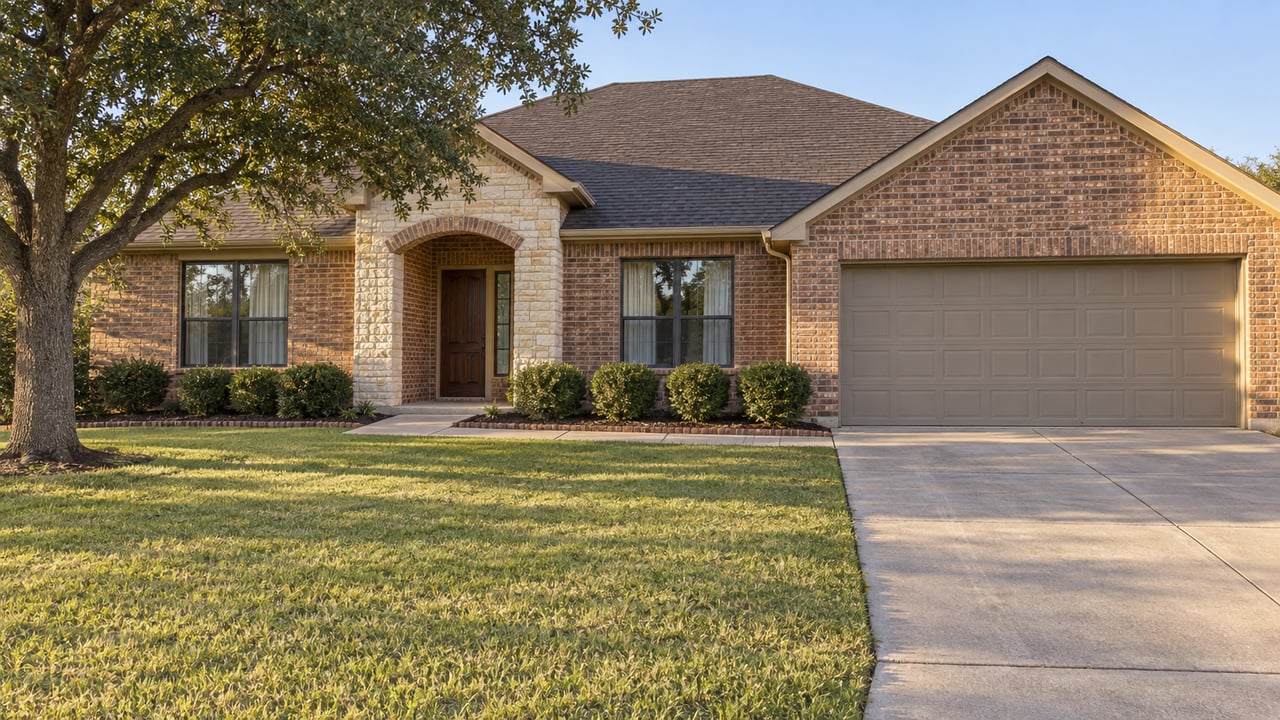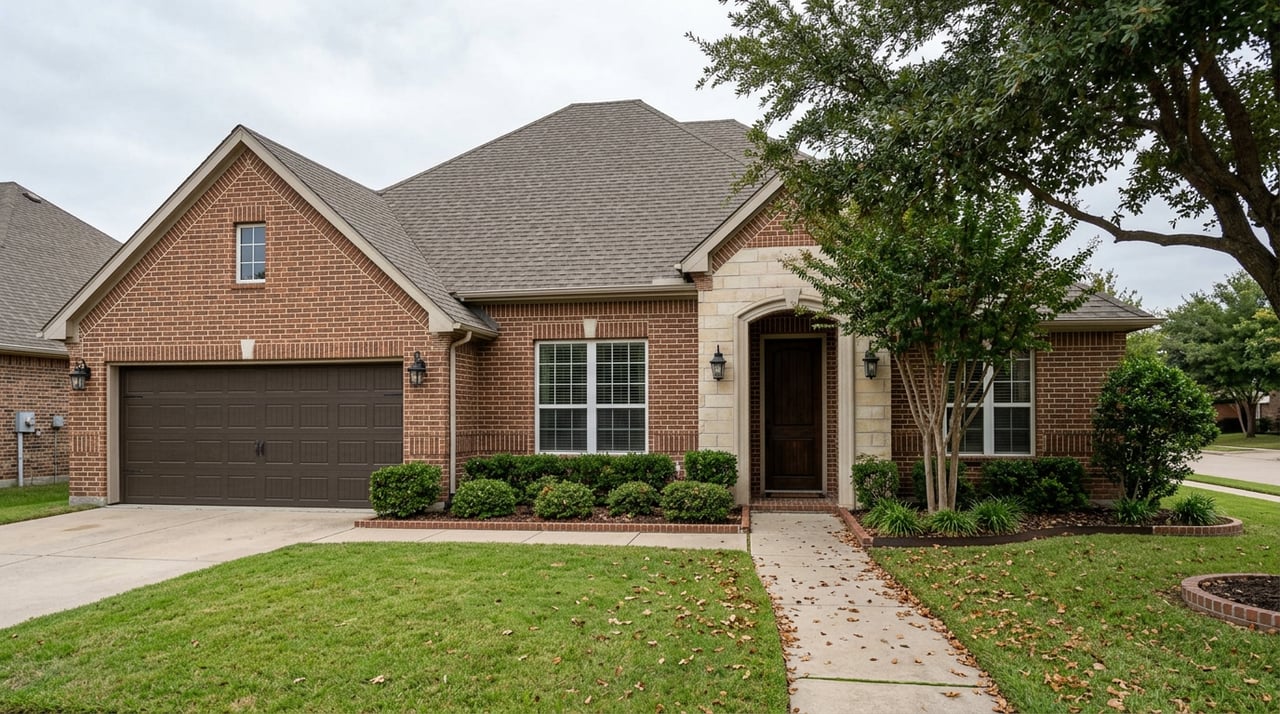

Two buyers are looking at $500,000 listings in Spring this month. Same square footage, same bed and bath count, same asking price down to the dollar. One house sits in an older, established neighborhood. The other sits in a newer master-planned community a few miles away. On paper, they look identical. In year one, their actual carrying costs will differ, though the listing alone may not explain why.
The gap comes from a part of the transaction almost nobody reads closely until it shows up on a tax bill: the Municipal Utility District, or MUD, that serves the specific lot. Spring's home prices get compared on portals every day. What rarely gets compared is the layer of recurring cost sitting underneath that price, and that layer can move the real monthly number by hundreds of dollars between two houses that look, and cost, exactly the same to buy.
More Than One Taxing Authority
Every property in Spring is taxed by more than one authority at once. The county collects its share. The school district collects its share. Then, in most of the newer subdivisions built north and west of Houston, a MUD collects its own share on top, because someone had to pay for the water lines, sewer systems, and drainage that let a farm field become a neighborhood in the first place.
That third line is the one that varies the most from one address to the next, and it is also the one buyers are least likely to ask about before they fall for a floor plan.
Age Explains More Than the Brick Color
The general pattern holds across the Houston area's outer suburbs: older, fully built-out neighborhoods have usually paid down their MUD bonds and now run lean, while newer communities still funding roads, ponds, and lift stations carry a heavier MUD load until that build-out debt gets retired.
Champion Forest is a good example of the paid-off side of that ledger. It's an established Klein ISD neighborhood with a median price near $430,000 and HOA dues around $250 a year, country-club-adjacent polish without the newer-community tax weight. On the other end, communities still in active build-out phases carry a heavier MUD line by design, because the infrastructure bonds funding their streets and utilities haven't been retired yet.
That is the mechanism. It has nothing to do with the house and everything to do with when the neighborhood around it got built and how much of its own infrastructure debt is still outstanding.
One Neighborhood Can Include More Than One MUD
One detail to check when touring master-planned communities in Spring this fall is whether the specific lot is served by a different MUD.
Gleannloch Farms is one of the area's more recognizable communities: roughly 3,000 homes across more than 1,400 acres, built out between 1998 and 2019, with a 27-hole golf course, lake frontage, an equestrian center, and a median resale price around $652,000. It reads as a single, cohesive neighborhood, and for schools and amenities, it is. For tax purposes, it isn't. The Gleannloch Farms Community Association names two separate governing utility districts, Harris County MUD 383 and MUD 367, each with its own board and its own meeting schedule at the community's Athletic Center.
Two homes on different streets inside Gleannloch Farms can both be zoned to Klein ISD and be inside the same HOA.
The range across Harris County's MUDs generally shows how much that check can matter. Harris County MUD 186 currently posts a combined rate of $0.1842 per $100 of assessed value. Harris County MUD 150 posts $0.51 per $100, nearly three times as much. Elsewhere in the county, Northwest Harris County MUD 6 explains its own rate history plainly on its website: after decades running on waterlines installed more than 40 years ago, the district raised its rate from roughly 34 to 36 cents per $100, effective on the 2024 tax bill, to fund replacement of that aging infrastructure. This example shows how infrastructure work can affect a district's rate, separately from changes in home prices.
HOA Dues Are the Second Layer, Not the Whole Story
Across Spring's master-planned communities, HOA dues typically run somewhere between $700 and $1,500 a year, and that figure covers the base community assessment, not necessarily everything the community offers. Golf and lake communities often carry a separate club membership on top of the standard HOA line. Augusta Pines, for instance, centers on an 18-hole course with its own social membership structure, distinct from the base neighborhood dues. A buyer pricing out Augusta Pines or Gleannloch Farms against a non-amenity neighborhood needs to include any separate membership cost for access they want, because the base HOA number alone will understate what full access to the community actually costs.
The County Line Nobody Mentions
Spring sits across two counties, Harris and Montgomery, and that split matters more than the shared zip codes suggest. A home on the Harris County side gets its value set by the Harris Central Appraisal District, with Texas Tax Calculator reporting annual notices going out in the spring and a protest window that typically runs to mid-May. A home on the Montgomery County side runs on that county's own appraisal calendar instead. Two houses a few streets apart, both carrying a Spring address, can be working from two different appraisal timelines entirely.
Where the School District Line Actually Matters
Spring is served by more than one school district, with Klein ISD covering most of the 77379 and 77388 zip codes and Spring ISD covering most of 77373 and parts of 77388. This matters for one reason only: the district a home is zoned to sets its own tax rate, which becomes part of that home's combined bill. It's a jurisdictional fact, not a judgment on any district, and it's worth confirming at the specific address rather than assuming from the city name on the listing, since "Spring, Texas" itself spans that internal boundary.
The list price is one part of a buyer's cost. A property's recurring tax costs depend on its taxing jurisdictions, applicable rates, and assessed value, so they can differ between homes with similar prices and change over time.
A Short Checklist Before You Compare Two Neighborhoods
- Pull the specific address's tax history from the relevant county appraisal district, Harris or Montgomery, rather than relying on a neighborhood-wide estimate.
- Ask for written confirmation of which MUD serves that exact lot, especially inside larger communities like Gleannloch Farms where more than one district operates.
- Request the HOA's fee schedule and ask directly about any separate club or amenity memberships tied to golf, tennis, or lake access.
- Confirm the zoned school district at the address level, since the boundary can run through a single zip code.
- Ask whether the MUD has any planned infrastructure work on the horizon, since aging systems are the most common reason rates move after closing.
Spring's overall home market has stayed close to its recent range through August 2026, with listings clustering in the mid $380,000s to $395,000. That headline number is a fine starting point for a search. It's not the number that determines what a buyer actually pays each month once the county, the school district, and the MUD all take their share.
A Few Questions Worth Asking Directly
Does an older Spring neighborhood always mean a lower tax bill? Usually, but not automatically. Older communities have often paid down their original MUD bonds, which tends to lower that portion of the bill, but the county and school district rates still apply on top, and those can change independently of the MUD.
Can a MUD rate change after I've already bought the house? Yes. MUD boards set rates annually based on debt service and operating needs, and infrastructure age is a common reason rates move, as seen in cases where districts raise rates to fund replacement of decades-old water systems.
If two homes are in the same subdivision, are they automatically in the same MUD? Not necessarily. Larger communities can be served by more than one utility district depending on when different sections were developed, which is why the specific lot matters more than the subdivision name.
Price is one part of comparing Spring neighborhoods; recurring taxes and HOA costs also affect a buyer's monthly expenses. If you're weighing a move between established neighborhoods and newer master-planned communities, or comparing two listings inside the same subdivision, Kim Kindred can pull the address-specific tax and HOA detail before you write an offer, not after. Schedule your free consultation to get the full picture on any Spring listing you're considering.
This article is general information, not legal, tax or financial advice. Consult a qualified professional about your situation.