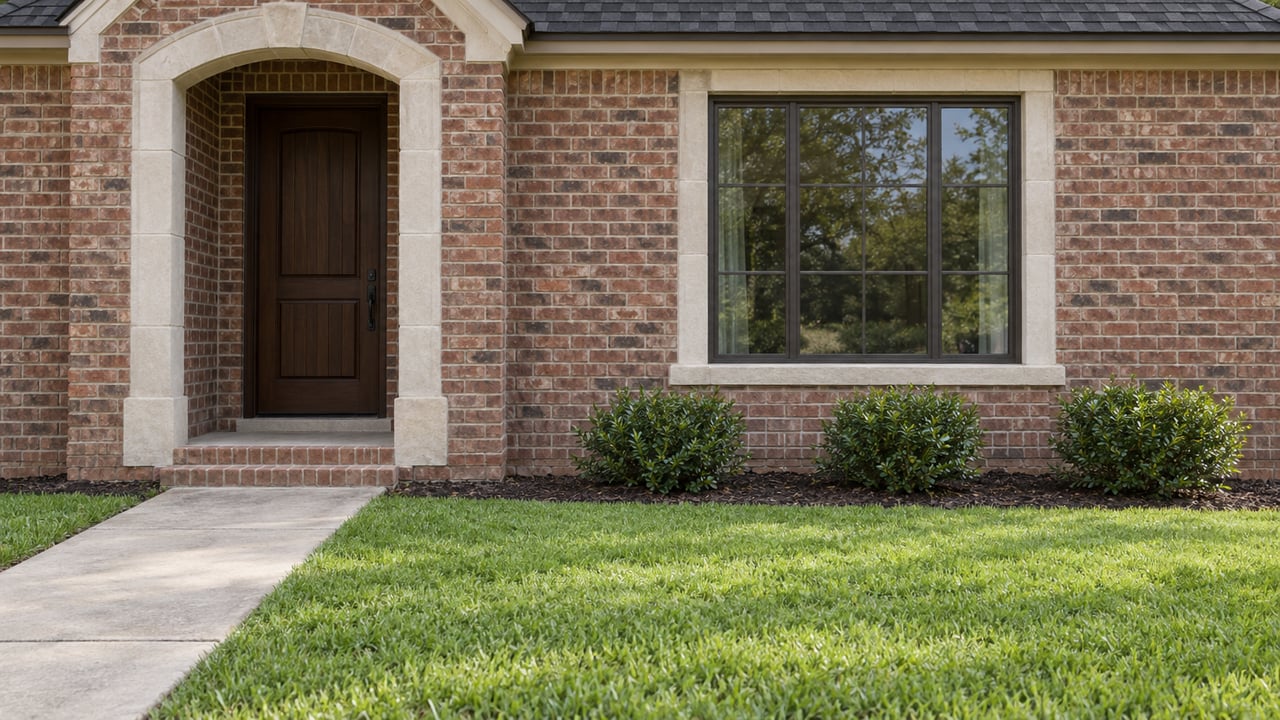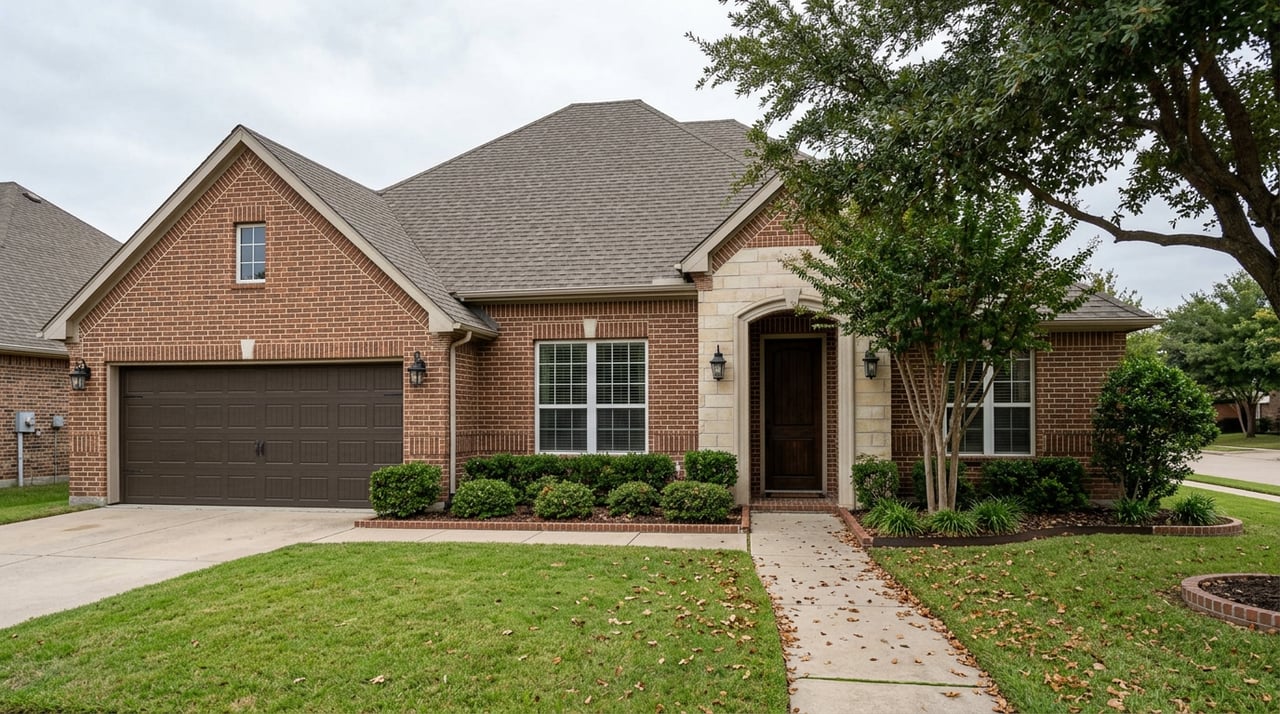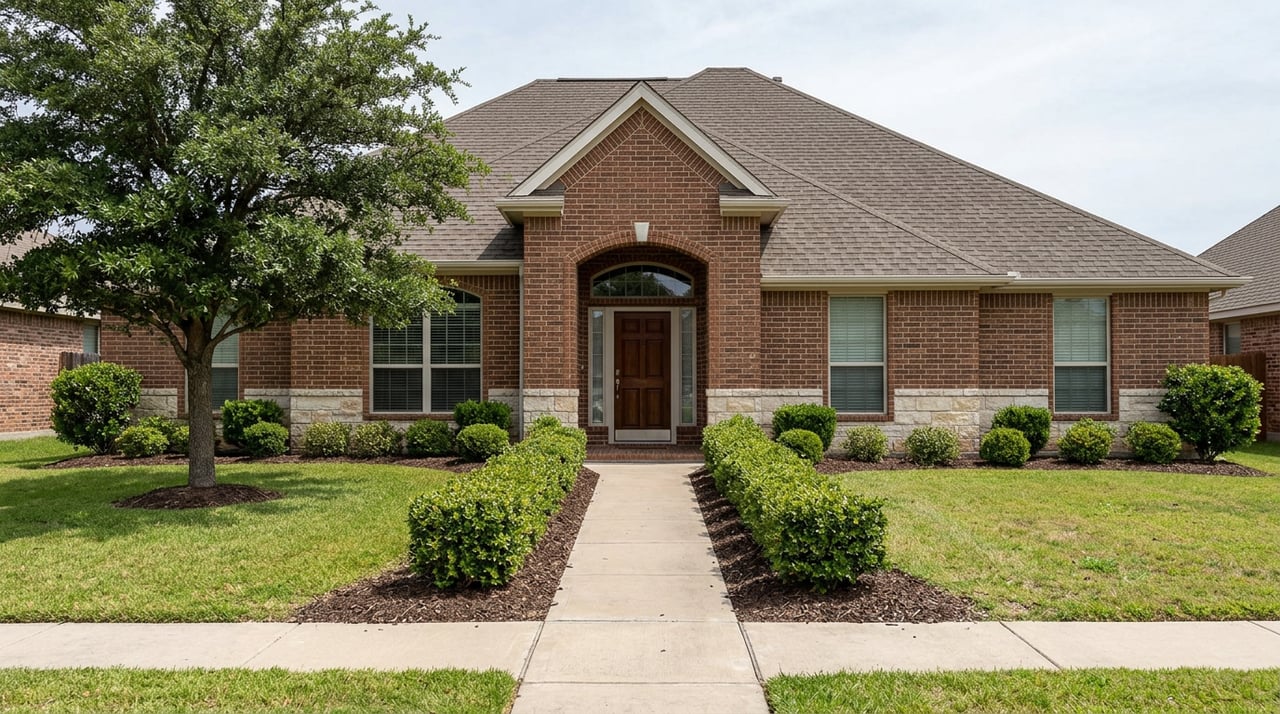
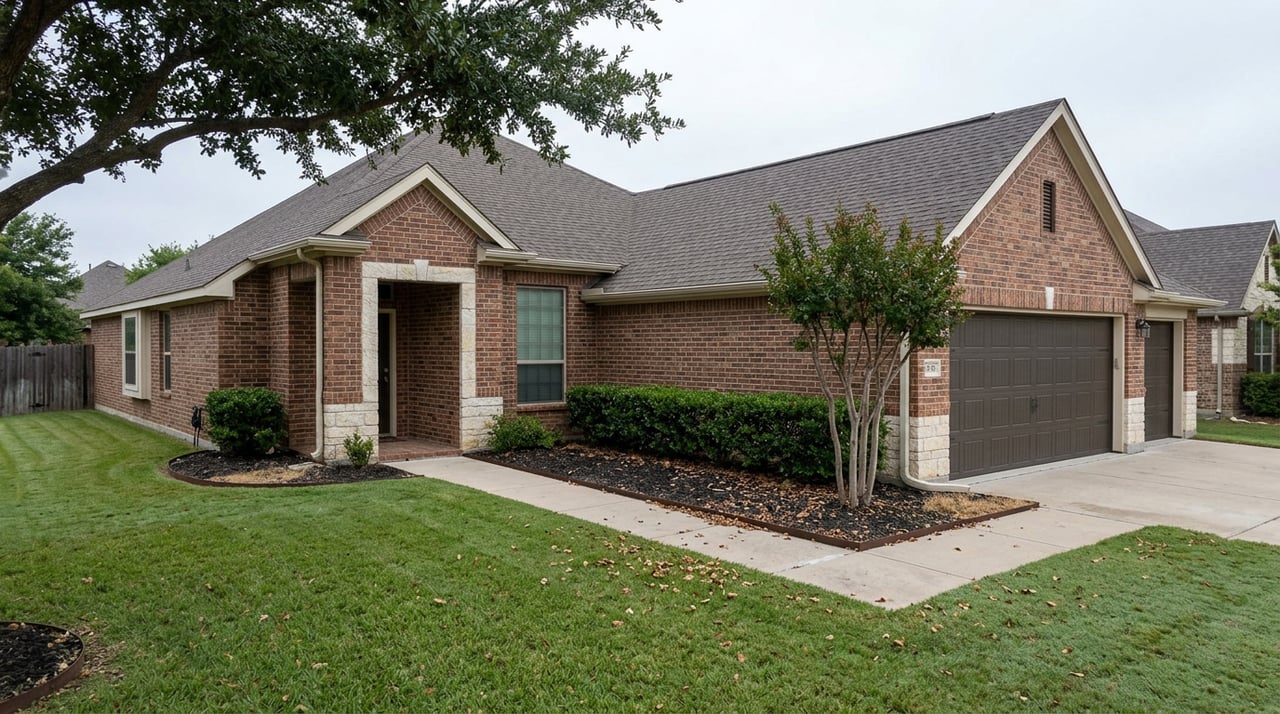
In Tomball, the thing that decides how smoothly a home sale closes often has nothing to do with the kitchen, the roof, or the school zone. It's buried in the yard. A conventional septic tank on a quarter-acre lot near Old Town Tomball can move through underwriting without a hiccup. An aerobic treatment unit two miles away on acreage off Hufsmith-Kohrville Road can stall the same loan for a week if the maintenance contract lapsed or the well sits a few feet closer to the tank than a lender allows. Same city, sometimes the same price bracket. Completely different path to the closing table.
That split is worth understanding before you write or accept an offer, because it isn't visible from the street and most buyers don't ask about it until an inspector, an appraiser, or a loan officer flags it.
The City Runs on Two Systems, Not One
Tomball's incorporated core sits in Harris County and connects to municipal sewer. Newer master-planned sections like Canyon Gate run on treated sewer through Harris County MUD No. 280, a municipal utility district set up to finance and operate water and sewer service for that development. Head toward the fringe, though, and the picture changes. Neighborhoods like Rosehill, Inverness Estates, Willow Creek Estates, and Northpointe, along with older lots near Burroughs Park and much of Old Town Tomball, sit outside the sewer network entirely and run on private septic.
The soil is part of the reason. A shallow layer of sandy topsoil sits over dense clay across much of the Tomball area, and that clay drains slowly. A conventional gravity drain field often can't percolate fast enough on smaller lots, so builders and county permitting offices have leaned on aerobic treatment units instead, systems that use an air pump and periodic chlorine dosing to treat wastewater before it's sprayed across the yard. Aerobic systems are the more common solution the closer you get to acreage tracts past FM 2920 or newer construction near Spring Creek.
None of this shows up on a listing photo. It shows up on the closing timeline.
Which County Signs Off Depends on the Parcel, Not the Zip Code
Here's the part that catches people off guard. The incorporated city of Tomball sits in Harris County, but the surrounding area reaches into Montgomery County depending on the exact parcel. Septic permitting in Texas is handled locally by an "authorized agent," almost always the county's public health or environmental office, operating under statewide rules the Texas Commission on Environmental Quality sets through Texas Health and Safety Code Chapter 366 and 30 TAC Chapter 285. Which county's authorized agent holds your permit file, inspection history, and any variance on record depends on which side of the line your specific address falls.
For a buyer or seller, that means two identical-looking properties a half mile apart can require pulling records from two different county offices, with two different response times and two different sets of local requirements layered on top of the state minimum. It's worth confirming which county governs a specific parcel before you assume either one.
The Setback Number That Can Kill an FHA Loan
If a buyer is financing with FHA or VA, one number matters more than almost anything else on the property. FHA's Handbook 4000.1 requires a minimum of 50 feet between a private well and a septic tank, and 100 feet between that well and the drain field. Fall short of either distance and the loan does not close, full stop, regardless of how well the system is otherwise maintained.
This is not a negotiation point the way a cracked baffle or a slow drain might be. It's a hard boundary set by the lender, and on older Tomball lots where wells and tanks were placed decades before anyone anticipated an FHA appraisal, it's not unusual for the distance to fall just short. Buyers using government-backed financing on a septic-and-well property should confirm those measurements early, ideally before the option period runs out, not during underwriting when there's no time left to negotiate a fix.
The Maintenance Contract Nobody Reads Until Closing Week
Most buyers think of a septic inspection the way they think of a home inspection: one visit, one report, done. Aerobic systems don't work that way. Texas law requires an aerobic treatment unit to operate under a continuous maintenance contract with a licensed provider, with professional inspections roughly every four months for as long as the system exists. That obligation doesn't end at closing. It transfers to the new owner, and if the seller's contract has lapsed, or if the provider won't transfer it without a new service agreement, that becomes something the buyer has to resolve, usually under time pressure, in the final stretch before closing.
Budgeting for that ongoing contract matters too. Annual maintenance agreements for aerobic systems generally run somewhere in the $150 to $600 range depending on the provider and the system's complexity. It's a modest cost, but it's an easy one to miss if a buyer assumes septic maintenance is a one-time inspection fee rather than a standing legal requirement.
What Texas Actually Requires a Seller to Disclose
Texas does not require a septic inspection before a home sale. What it does require is disclosure. Under Texas Property Code Section 5.008, sellers complete the standard Seller's Disclosure Notice, and if the property has an on-site sewer facility, they also complete a supplemental form, TXR-1407, covering the system type, age, and maintenance history. The seller fills this out personally, not the agent, and it's meant to be attached to the listing or handed to the buyer before they sign.
A handful of transactions are exempt, including court-ordered sales, foreclosures, transfers between spouses, and new, never-occupied construction. For everyone else, the form is mandatory, and the stakes for skipping known issues are real. Concealing a known defect exposes a seller to claims under the Deceptive Trade Practices Act, which can mean actual damages, attorney fees, and in some cases treble damages, along with a possible complaint against the listing agent with the Texas Real Estate Commission. The safer path, and the one that tends to close faster, is disclosing what's known and letting the buyer's inspection confirm the rest.
The Repair-or-Replace Math
Once an inspection happens, the numbers usually fall into a predictable range. A standard septic inspection in the Tomball area runs $300 to $600. Pumping, often done alongside the inspection, adds another $235 to $485. From there, the decision comes down to the age and condition of the system. A $500 repair on a system that's 15 years old and otherwise sound is usually worth making. A $4,000 repair on a system pushing 28 years old is a harder call, especially when a full replacement runs $10,000 to $15,000. Sellers who pump and inspect before listing tend to remove one of the first objections a buyer's inspector will raise, and it often shows up as a smoother, faster path to closing rather than a repeat negotiation later.
| Service | Typical Cost |
|---|---|
| Septic inspection | $300 – $600 |
| Tank pumping | $235 – $485 |
| Aerobic maintenance contract (annual) | $150 – $600 |
| Minor repair (baffle, pump) | $250 – $500 |
| Full system replacement | $10,000 – $15,000 |
A Short Checklist Before You Write or Accept an Offer
- Confirm which county, Harris or Montgomery, holds the permit file for the specific parcel. Don't assume based on the mailing address alone.
- Ask whether the system is conventional or aerobic. A spray head in the yard or a faint pump hum near the tank usually means aerobic.
- Request the current maintenance contract if the system is aerobic, and confirm in writing that it transfers to a new owner.
- If financing with FHA or VA, measure or verify the well-to-septic and well-to-drain-field distances against the 50-foot and 100-foot minimums before the option period ends.
- Ask for pumping and inspection receipts, not a verbal assurance that the system was "serviced recently."
- Request the TXR-1407 disclosure form early in the process rather than waiting until the option period deadline.
A Few Questions Worth Asking Directly
Does Texas require a septic inspection to sell a home in Tomball? No. State law requires disclosure of the system and its known condition, not an inspection. Lenders, particularly for FHA, VA, and USDA loans, typically require one as a condition of financing.
Who usually pays for the septic inspection? It's negotiable in the purchase contract. In most Texas transactions, including Tomball, the buyer covers the cost as part of standard due diligence, though a seller may choose to pay for a pre-listing inspection to remove the objection before it comes up.
What's the practical difference between a conventional and an aerobic system? A conventional system relies on gravity and soil filtration through a buried drain field. An aerobic system uses an air pump and periodic chlorine treatment to process wastewater before spraying it across the surface, and it comes with an ongoing maintenance contract that a conventional system doesn't require.
Does any of this matter for a cash buyer? The FHA and VA setback rules don't apply to a cash purchase, but the underlying condition of the system still does. A cash buyer who skips the inspection is simply taking on whatever risk the financing requirement would have caught.
Septic and well systems aren't the kind of detail a listing photo captures, but they shape the timeline and the negotiation more than almost anything else on a Tomball property outside the sewer footprint. If you're weighing an offer on a home near Rosehill, Willow Creek Estates, or the acreage stretches past FM 2920, or preparing to list one, it helps to have someone who has walked this exact process before. Kim Kindred works these transactions across Tomball and the surrounding Montgomery County communities every week. Schedule your free consultation and get ahead of the paperwork before it becomes a closing-week scramble.