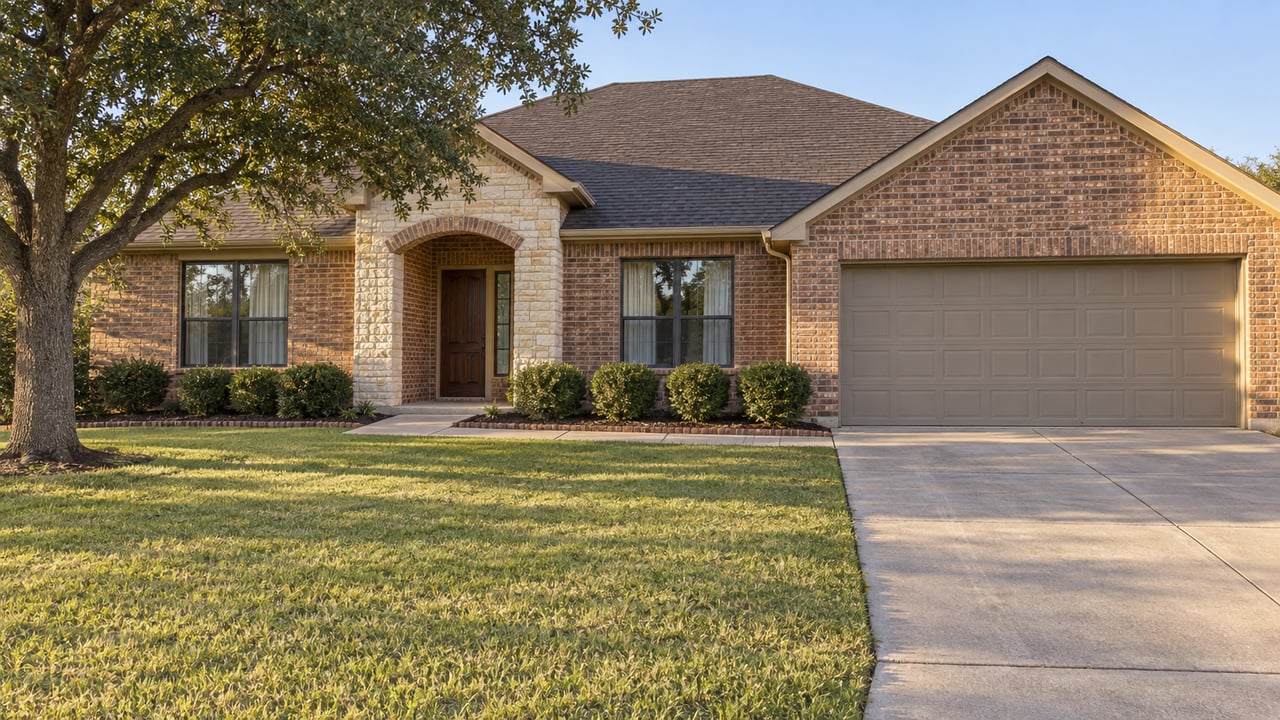
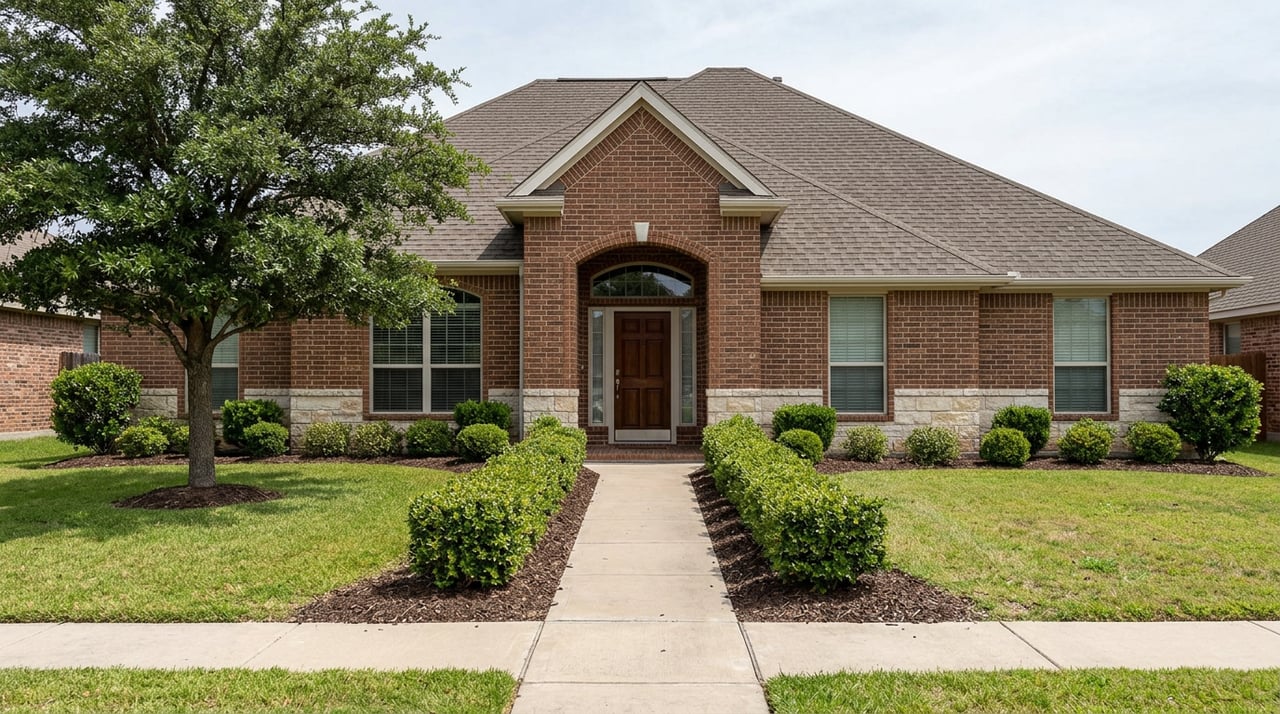
A seller in Graystone Hills fixed a foundation crack five years ago. Piers went in, the invoice got filed somewhere, and the floors have been level ever since. As far as that seller is concerned, the story ended in 2021.
It didn't. Sitting down to list this fall means filling out a Seller's Disclosure Notice that looks nothing like the one used at closing five years ago, and the Texas Register's adopted update to TREC's form adds a question the old one never did: has this property ever had trouble getting insured. In Conroe, where clay soil moves under nearly every slab in town and where insurance carriers have grown more selective about roofs and prior claims, that question may bring an old repair back into the conversation, not by changing what sellers must disclose, but by prompting a buyer's agent to ask how it relates to the home's insurance history.
The Form Changed While Almost No One Was Watching
Texas Property Code Section 5.008 requires sellers of previously occupied homes to complete a written disclosure before closing, and the Texas Real Estate Commission publishes the standard form nearly every transaction uses. The version most Conroe sellers are used to is the one the Texas Real Estate Commission said should be used for contracts executed on or after September 1, 2023.
That changed this year. The Texas Real Estate Commission's periodic Sunset review flagged gaps in what sellers had to disclose around insurance, water rights, and a handful of environmental items. TREC proposed the changes at its February 9, 2026, meeting, and TREC adopted the contract-form updates at its May 4, 2026, meeting. A brand new standalone form arrived alongside it: the Water Notice, which covers groundwater and surface water rights.
The headline change is insurance. The updated form asks three things a Conroe seller never had to answer before: whether the home is currently covered by insurance, whether that coverage includes windstorm, and whether the seller has ever been unable to get coverage for any reason. Sellers also now disclose above-ground storage tanks over 500 gallons, private road maintenance agreements, conservation easements, and permanently installed generators.
If you closed on your Conroe home before this summer, you have never seen this form. If you're listing it now, you have to fill it out.
Why the Insurance Question Lands Differently Here
Every neighborhood in Montgomery County sits on the same reactive clay that swells when it rains and pulls away when it dries. A Conroe home inspector who has worked the area since 2006 and covers everything from the downtown historic district to Stewart's Forest, Graystone Hills, Wedgewood Falls, Grand Central Park, and the Lake Conroe shoreline treats foundation movement as a baseline condition of the market, not an anomaly to flag once and forget. That movement produces the door-and-window misalignment, the stair-step brick cracks, and the interior wall fractures that show up on almost every inspection report in town.
Layer in storm history. Hurricane Harvey in 2017, Tropical Storm Imelda in 2019, and the 2024 derecho all left roof, fascia, and exterior envelope damage across the area that is often invisible from ground level and only surfaces once someone climbs up to look or files a claim.
Put those two things together and you get exactly the kind of property the new insurance question was built for: older roof, documented foundation history, maybe a prior claim from one of those storms. None of that makes a Conroe home unsellable. It does mean the new form is asking a question this market has more reason than most to answer honestly.
The Competition Sellers Are Actually Up Against
Conroe isn't just changing its paperwork this year. It's also building at a pace that gives buyers real alternatives to an older resale home with a documented repair history. The city's broader construction activity, tracked through Texas Department of Licensing and Regulation project filings, showed 145 projects registered over the trailing 12 months as of August 2026, worth a combined $243.2 million, ranging from College Park Plaza to a Chick-fil-A at Marketplace Conroe to the black box theater remodel at Lone Star College-Montgomery. That figure spans commercial and institutional work as much as housing, but it says something simple: this is a city investing in itself on every front right now.
On the residential side specifically, local inspectors already describe Conroe as one of the fastest-growing new-construction markets in Texas, with enough volume that even reputable builders occasionally ship homes with flashing, insulation, or drainage issues that a walkthrough misses. That volume matters for resale sellers because it means buyers comparing your listing against a builder's spec home aren't just comparing price per square foot. They're comparing a home with a documented repair history against one that has none yet, built to current code, with a one-year warranty attached.
A clean, complete, well-documented disclosure is one of the few things a resale seller controls in that comparison. A messy one hands the advantage straight to the new-construction option down the street.
A Pre-Listing Sequence Built for the New Form
Before you sign a listing agreement this fall, work through this in order:
- Pull every foundation repair record you have, including the engineer's report, the contractor's invoice, and the date work was completed, and write the fact down exactly as it happened rather than summarizing it as "fixed."
- Call your insurance carrier and ask directly whether you've ever been non-renewed, dropped, or denied coverage on this address, even if you switched carriers years ago and forgot why.
- Review the new Water Notice form as part of your disclosure paperwork.
- Note any above-ground storage tanks, private roads, or conservation easements on the property, since the updated form asks about them.
- Review every "unknown" answer before you sign.
- Consider a pre-listing inspection so your disclosure and the buyer's future inspection report tell the same story, rather than surfacing a conflict during the option period.
None of this is legal advice, and a real estate attorney is the right call if your situation involves a contested repair, a denied claim, or language on the form you're not sure how to answer. What it is, is the paperwork reality every Conroe seller is walking into this fall, whether their foundation story ended in 2021 or is still being written.
If you're weighing a listing in Conroe and want a straight read on how the new disclosure requirements apply to your specific address, Kim Kindred is happy to walk through it with you. Schedule your free consultation and get the paperwork right before it becomes a problem at the option period.