
Thinking about a place with more elbow room, a quieter pace, and an easy connection to The Woodlands and Houston? Magnolia gives you that small‑town feel with a mix of acreage, newer subdivisions, and a growing local scene. If you are comparing suburbs or mapping a relocation, you want to know how daily life actually works here. In this guide, you will learn about housing types, commute ranges, schools, utilities, taxes, and practical tips for living in Magnolia. Let’s dive in.
Where Magnolia sits
Magnolia sits in Montgomery County, northwest of the Houston metro. You are west and northwest of The Woodlands and northeast of Tomball along the SH 249 corridor. Many residents work in The Woodlands, Conroe, or greater Houston and enjoy a quieter home base.
Typical drive times vary by where you live in Magnolia and traffic. The Woodlands is often 20 to 30 minutes. Downtown Houston can range from about 40 to 70 minutes depending on route and rush hour.
Housing options
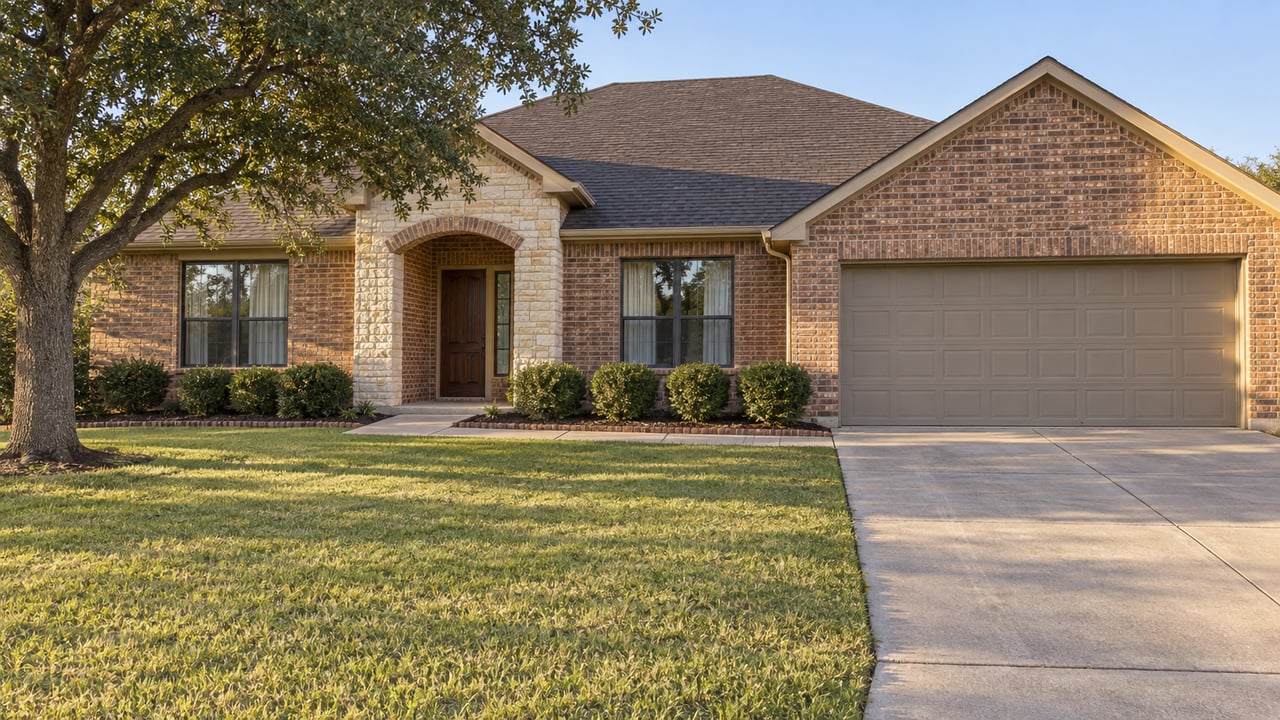
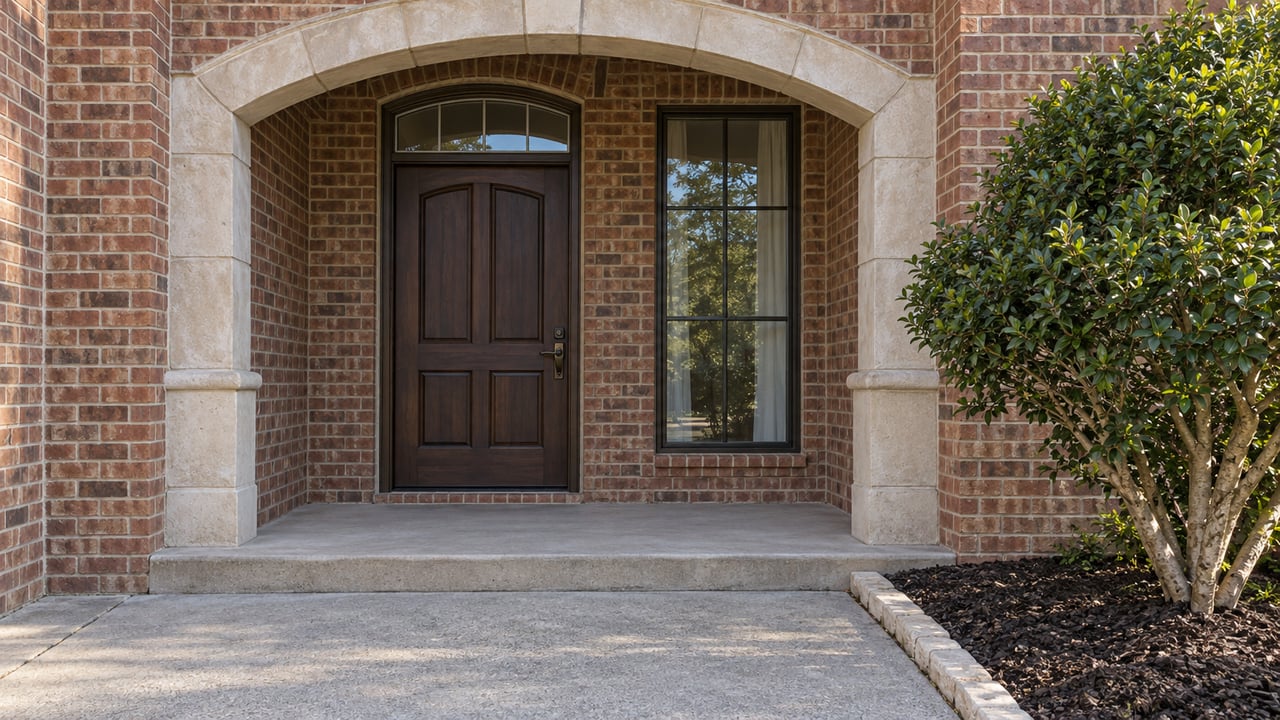
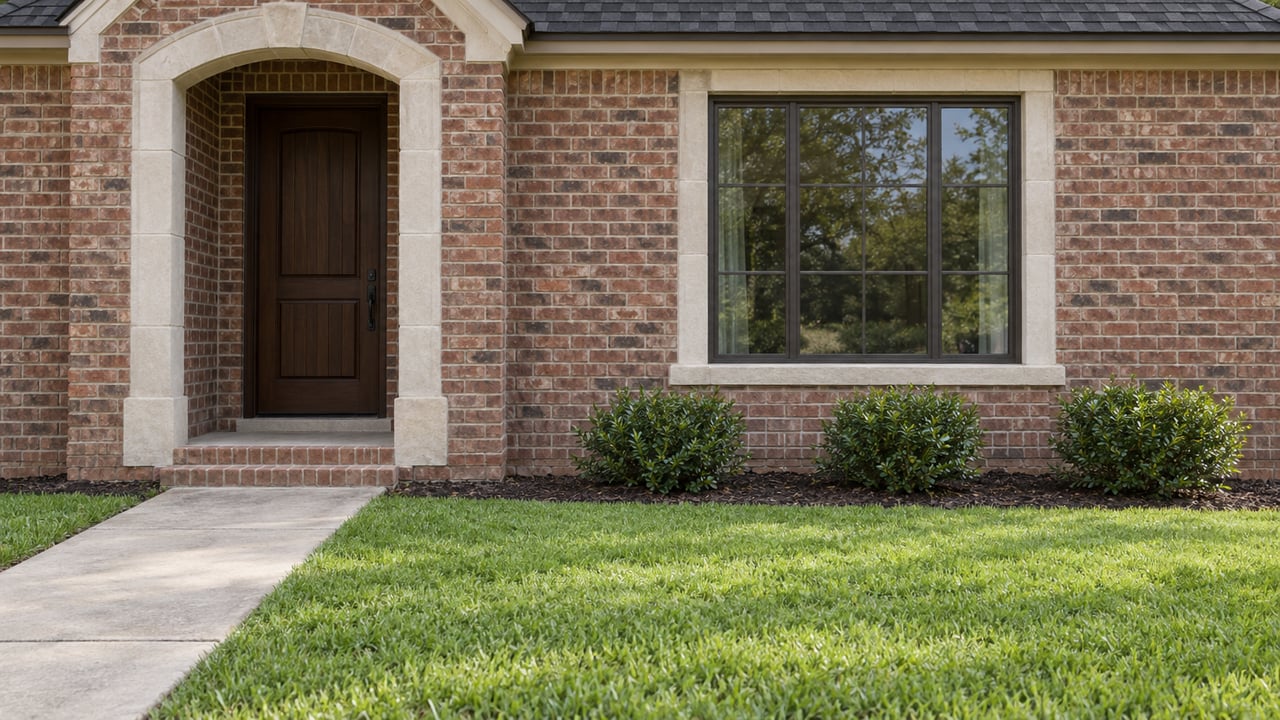
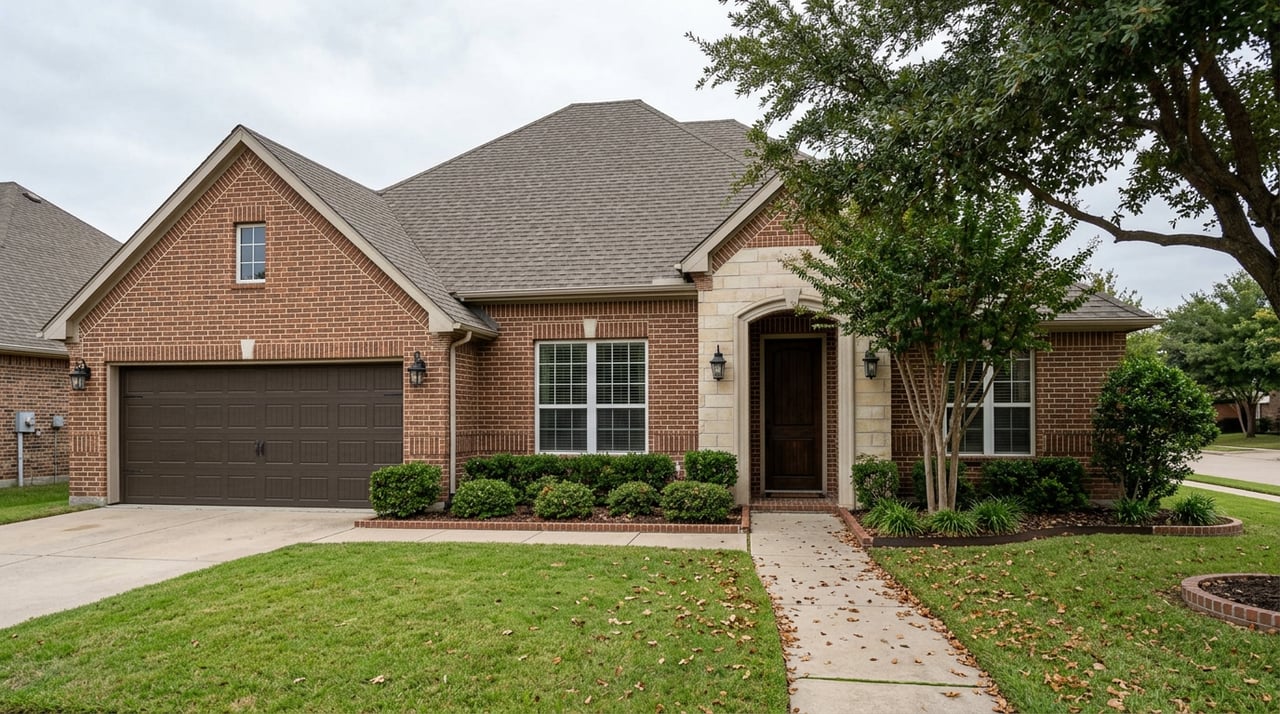
You will find a full spectrum of homes in and around Magnolia. The area includes acreage and ranch properties popular for hobby farms, equestrian use, and custom builds. Newer subdivisions and master‑planned communities have arrived along major farm‑to‑market roads with amenity centers and smaller lots. Homes near the historic town center typically sit on smaller lots and offer a traditional small‑town setting.
The market serves both move‑up buyers seeking land and families who want single‑family homes with more space than inner suburbs. Inventory is mixed, so you can shop larger lots at higher per‑lot prices or compare moderate to entry price points in newer neighborhoods.
Land and utilities
Buying in Magnolia can mean different utility setups. Many acreage properties use private wells and septic systems outside sewer lines. Newer subdivisions often connect to centralized water and sewer through city providers or municipal utility districts, commonly called MUDs.
Before you make an offer, verify your utility situation and costs. Review MUD documentation for service and rates if the property is in a utility district. For rural tracts, learn about well and septic permitting and ongoing maintenance. Utility providers and county environmental health offices can confirm what applies to a specific address.
Deed rules and HOAs
Land use can vary widely. Large rural parcels may have minimal restrictions. Newer subdivisions typically include HOA oversight and deed restrictions that govern property use, exterior standards, and amenities. Ask for the plat, HOA covenants, and any community guidelines up front so you understand rules that could affect your plans.
If you want to add a barn, keep horses, or explore agricultural uses, confirm deed restrictions and county requirements. The Texas A&M AgriLife Extension is a helpful resource for best practices on rural property care and livestock.
Flooding and drainage
Parts of Montgomery County fall within FEMA flood zones. Even outside mapped floodplains, heavy Gulf Coast rain can create drainage concerns. When you evaluate a home, review the FEMA Flood Insurance Rate Map for the parcel, ask for any elevation certificate, and look into local drainage history. If the property sits in a flood zone, your lender may require flood insurance.
Property taxes and costs
Texas has no state income tax. Property taxes are a major recurring cost and are assessed by multiple entities. Your total bill can include city, county, school district, and possibly a MUD or other special districts. Request a sample tax estimate and confirm the current rates with the Montgomery County Appraisal District and the relevant taxing entities. Insurance costs also vary by flood risk and property characteristics.
Schools and youth programs
Magnolia Independent School District serves the city and nearby areas. The district includes elementary, intermediate and middle schools, and high schools within the system. District boundaries and programs change over time, so check Magnolia ISD and the Texas Education Agency for the latest campus information and accountability data.
Families can access a range of extracurriculars typical of suburban Texas districts. You will find school‑run options like sports, band, FFA, and 4‑H, along with private daycares and faith‑based preschools in the area.
Commutes and roads
Magnolia is car‑dependent. Most daily travel happens on local farm‑to‑market roads and the regional highway and toll network. Residents often commute to The Woodlands and Conroe for healthcare, energy, retail, and services, and many travel into greater Houston for office and specialty roles. Actual drive time depends on your starting point, route, and time of day.
Regional projects, including portions of SH 249 and the Grand Parkway, have influenced commuting over the past decade. For current alignments and any new construction, check the Texas Department of Transportation. Magnolia has limited public transit. There is no regular commuter rail service, and county or regional bus options are limited.
Daily life and amenities
In-town, you will find local shops, services, and dining that reflect a small‑town core. For expanded shopping, dining, parks, and performing arts, many residents head to The Woodlands. Lake Conroe is a popular weekend destination for boating and fishing. Equestrian and outdoor hobbies are common for acreage owners, and you can look for private stables or boarding options in the broader area.
For healthcare, residents typically travel 20 to 40 minutes to major regional hospitals and specialty care in The Woodlands or Conroe. Plan routine appointments with drive time in mind, especially during peak traffic.
Buyer checklist
Before you write an offer, use this quick checklist to reduce surprises:
- Confirm utilities. Determine if the home is on well and septic or connected to city or MUD water and sewer.
- Review restrictions. Obtain the plat, HOA documents, and any deed restrictions for property use.
- Check flood risk. Review FEMA maps, elevation certificates, and local drainage history.
- Request a tax breakdown. Verify city, county, school district, and MUD rates and estimate the annual bill.
- Test the commute. Drive your route during a typical rush hour for a realistic time range.
- Verify school zones. Confirm the assigned campuses with Magnolia ISD and review TEA accountability information.
Seller notes
If you plan to sell, Magnolia buyers value clarity and preparation. Gather utility details, HOA documents, recent improvements, and any elevation certificates in advance. Professional photography and strong listing presentation stand out, especially when your property features acreage or unique outdoor amenities. Pricing should reflect utility type, flood risk data, tax obligations, and local demand for your specific lot size and home style.
Who Magnolia fits
Magnolia can be a match if you want a quieter setting with more land options while staying connected to regional job centers. It suits buyers who value space for hobbies or animals, and those who like newer subdivisions with community amenities. It also appeals to commuters who prefer a small‑town lifestyle with access to The Woodlands and Houston.
How a local advisor helps
With varied utilities, deed rules, and micro‑market differences between acreage and subdivision homes, Magnolia rewards careful due diligence. A local agent can help you interpret MUD documents, estimate tax obligations, identify flood considerations, and confirm school zoning. You will also benefit from a pricing and marketing plan tailored to your property type, whether that means showcasing land features or highlighting neighborhood amenities.
Ready to explore Magnolia with a guide who understands the details that affect value and daily life? Connect with Kim Kindred for local insight, on‑the‑ground tours, and a clear plan for your move.
FAQs
How long is the Magnolia commute to nearby hubs?
- The Woodlands is often about 20 to 30 minutes by car, while downtown Houston can range from roughly 40 to 70 minutes depending on route and traffic.
Which school district serves Magnolia, Texas?
- Magnolia Independent School District serves the area; verify current campus boundaries and accountability information with Magnolia ISD and the Texas Education Agency.
Are there acreage properties in Magnolia?
- Yes, you can find larger tracts popular for hobby farms, equestrian uses, and custom homes, along with newer subdivisions that offer smaller lots and shared amenities.
Do Magnolia homes use wells and septic systems?
- Many acreage properties rely on private wells and septic, while newer subdivisions are often served by municipal utility districts or city water and sewer.
Is flood insurance required in Magnolia?
- If a property sits in a FEMA‑mapped flood zone, lenders may require flood insurance; review FEMA maps, elevation certificates, and local drainage history for each home.