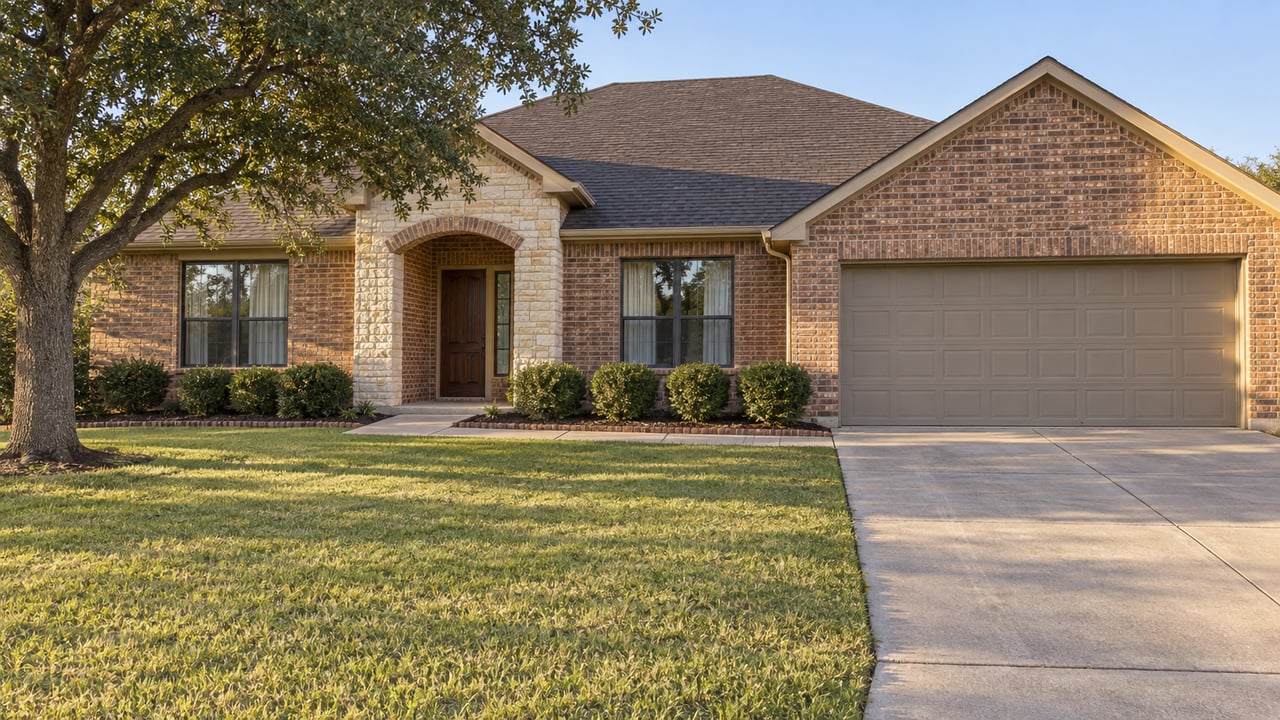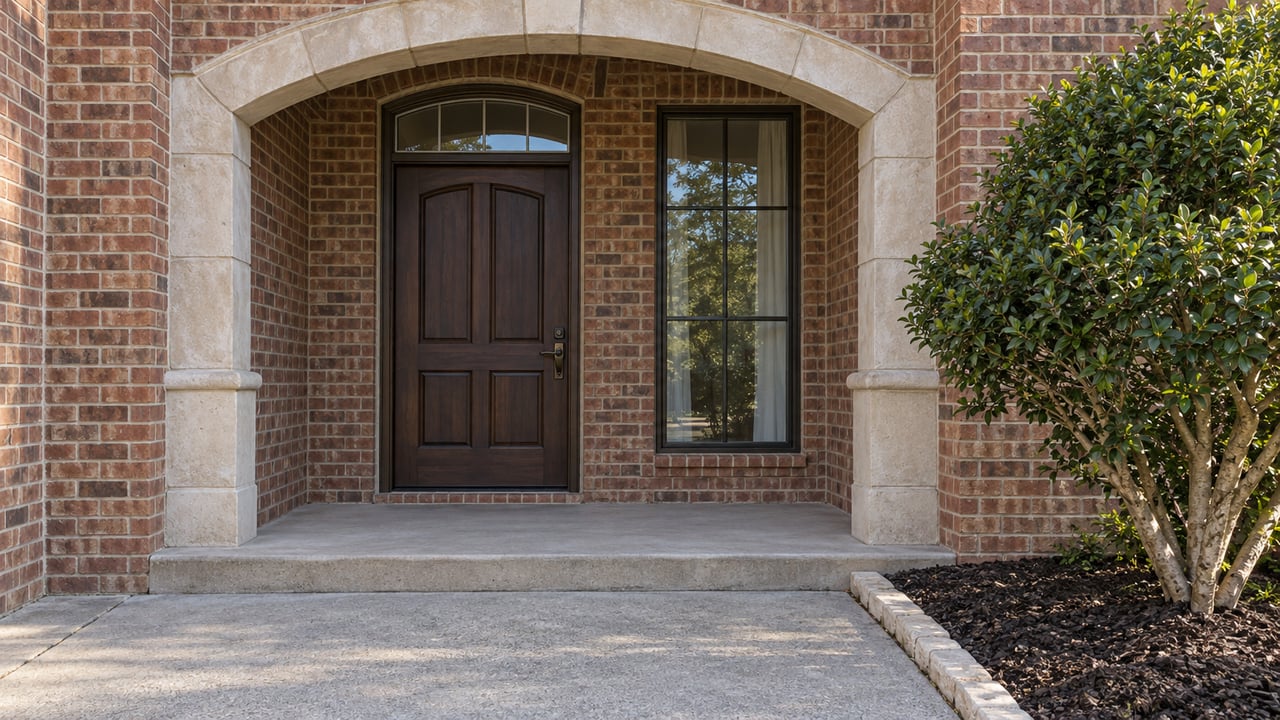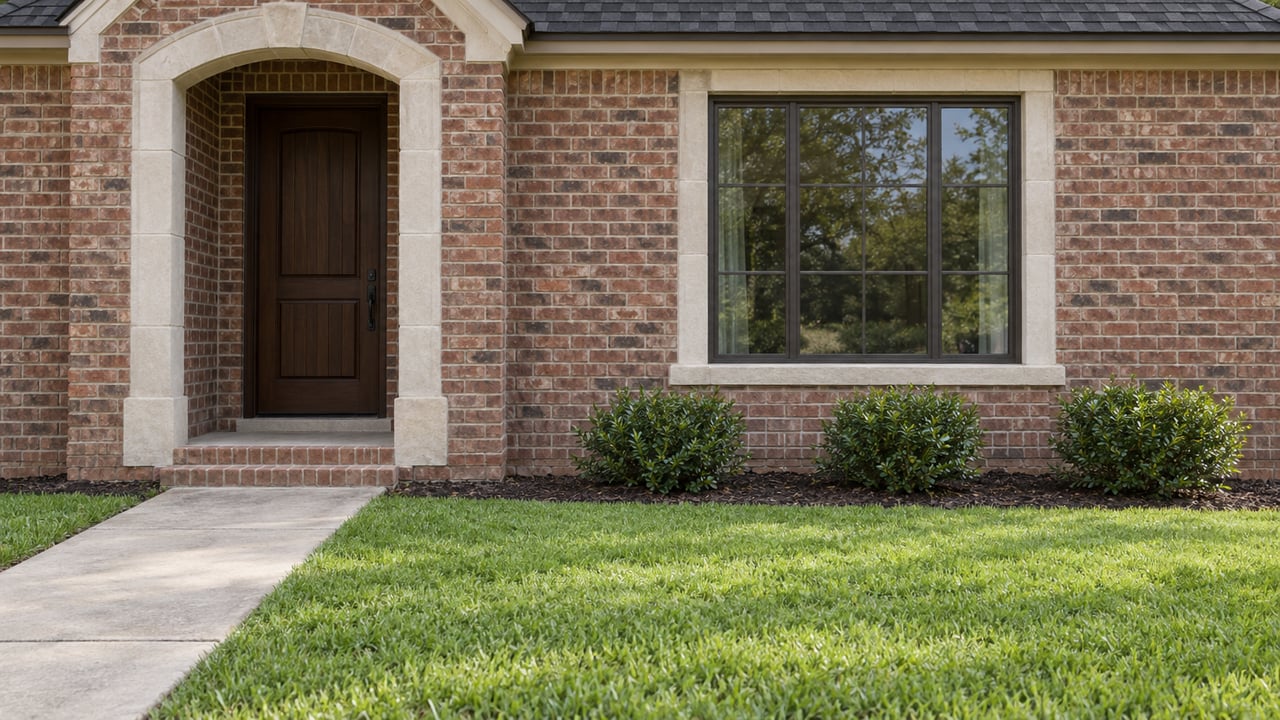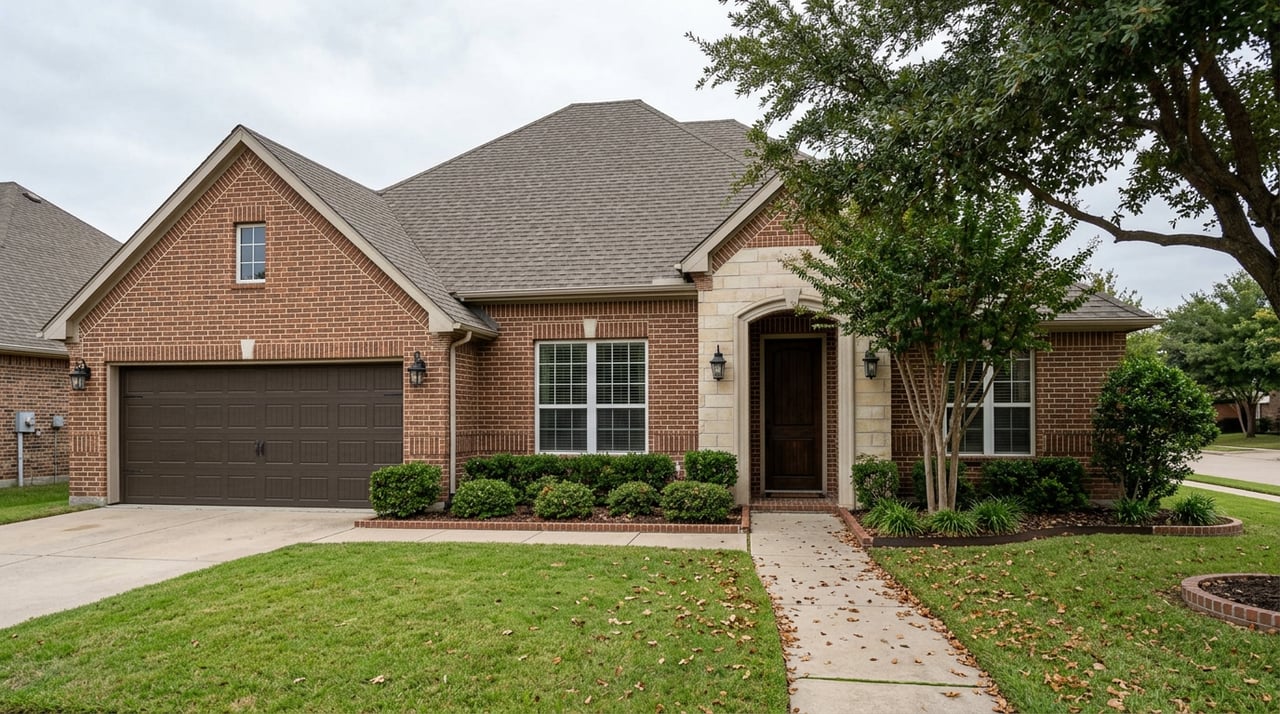
Buying a home from out of town can feel like a leap of faith, especially in a community as detailed and property-specific as The Woodlands. If you are relocating, short on travel time, or trying to coordinate a move from another state, you want to know what can be handled online and what still needs close local attention. The good news is that much of the process can be done remotely, and with the right guidance, you can move forward with more clarity and less stress. Let’s dive in.
Why remote home buying is possible
Remote home buying is more practical today because so much of the search process happens online. In the NAR 2025 Home Buyers and Sellers Generational Trends report, 51% of buyers said they found the home they purchased on the internet, and 41% of internet users said virtual tours were very useful.
That matters if you are shopping from another city or state. Online listings, photos, floor plans, neighborhood information, and live video walkthroughs can help you narrow your options before you ever step foot in Texas.
Why The Woodlands needs local guidance
The Woodlands is not just another suburban market. According to The Woodlands Township, it is a large master-planned community about 27 miles north of downtown Houston, home to more than 120,000 residents and over 2,100 businesses.
For remote buyers, that scale creates both convenience and complexity. Much of the transaction can happen digitally, but address-specific details still matter because utility providers, county services, and covenant rules can vary from one property to the next.
A local agent helps bridge the gap
When you are buying remotely, your local agent becomes your eyes and ears on the ground. The Texas Real Estate Commission consumer information page explains that Texas brokers and sales agents are fiduciaries who must inform clients of material information, answer questions, and present offers and counteroffers.
That role is especially important when you cannot easily visit in person. A knowledgeable local agent can help you understand the home, the surrounding area, and the paperwork in real time while keeping the process moving.
What the remote buying process looks like
Most remote purchases follow the same major steps as any other home sale. The difference is that more of the communication, signatures, and document review happen online.
Step 1: Search and shortlist homes
Your first stage is usually digital. You can review listings, compare features, study photos, and request live video tours to get a better feel for layout, condition, and surroundings.
This early stage is where clear communication matters most. If a home is a serious contender, you will want detailed videos, honest feedback, and extra attention to things that standard listing photos may not show.
Step 2: Make an offer remotely
Once you choose a property, the offer and contract process can often be handled electronically. The CFPB notes that some mortgage disclosures may be provided electronically if E-Sign requirements are met, and some companies allow electronic signing, with closings handled by mail or on the internet.
That means you may be able to review and sign most documents from wherever you are. Even so, remote convenience should never replace careful review, especially when deadlines and contract terms are involved.
Step 3: Complete inspections and appraisal
You do not want to skip due diligence just because you are not local. TREC says a licensed Texas real estate inspector must follow the state's Standards of Practice when inspecting a substantially completed property for a buyer or seller.
If you are using financing, the property will also need to be appraised by a licensed appraiser. In a remote purchase, you will likely rely heavily on the written inspection report, the appraisal process, and your agent’s debrief to decide whether to move forward, negotiate repairs, or revisit pricing.
Step 4: Submit lender documents
Underwriting is usually one of the least glamorous parts of buying a home, but it is a major piece of the timeline. According to the CFPB’s guidance on lender requests, lenders may ask for proof of income and documentation showing the source of your down payment funds.
This step is mostly about speed and accuracy. The faster you submit clean, complete copies of the requested documents, the easier it is to keep your file on track.
Step 5: Review closing documents carefully
Before closing, your lender must provide a Closing Disclosure at least three business days in advance. The CFPB recommends using that time to review the loan amount, interest rate, closing costs, and cash to close.
This is one of the most important checkpoints for remote buyers. If anything looks different from what you expected, ask questions before signing.
Step 6: Close from a distance
Remote closing may be possible without traveling to Texas. The CFPB explains in its mortgage closing overview that some companies allow electronic signatures and that closings may be handled by mail or on the internet.
Texas also allows online notarization through an online notary public using interactive two-way audio-video communication. Depending on your lender and title company, you may be able to complete the final step from your current location.
The Woodlands details you should verify early
A remote purchase in The Woodlands is not just about choosing the right house. It is also about verifying how that specific address fits into the larger community framework.
Check county and utility information
The Township’s community tools and address lookup resources can help identify whether a property is in Montgomery or Harris County and whether utility service is provided by Entergy or CenterPoint.
That is worth confirming early because county-based services and utility setup can differ by address. These are details that may not be obvious from the listing itself, but they can affect your planning before and after closing.
Review covenant and exterior project rules
The Township also says most properties are governed by Covenants and Standards. Permits are required for many exterior projects, including fence replacements, patios, pools, and tree removal.
If you plan to make updates after closing, this matters. It is smart to understand those rules before you buy, not after you start making plans.
Risks remote buyers should watch closely
Remote home buying can work well, but you still want to protect yourself from avoidable surprises.
Watch for last-minute document issues
The biggest risk is often not the home search itself. It is the final stretch, when deadlines tighten and buyers are juggling disclosures, funds, and signatures.
That is why reviewing your Closing Disclosure and other closing documents in advance matters so much. It gives you time to catch unexpected changes before closing day.
Confirm wire instructions safely
Closing-fund fraud is a real concern, especially when you are not meeting everyone face to face. The CFPB warns about mortgage closing scams and advises buyers to be cautious if wiring instructions change at the last minute.
If you need to wire funds, confirm instructions through trusted contacts and not just by email. A quick verification step can protect a major financial transfer.
Consider extra legal review if needed
Some remote buyers want another layer of reassurance before they sign. The CFPB says buyers may want a real estate attorney to review closing documents in more complex situations.
That can be helpful if you have questions about ownership structure, title details, or anything else that feels unclear. Peace of mind is worth building into the process when you are buying from afar.
How to make remote buying smoother
If you are planning a remote move to The Woodlands, a few habits can make the process easier:
- Narrow your must-haves before touring homes virtually
- Ask for live video walkthroughs, not just polished listing photos
- Verify county, utility, and covenant details by exact address early
- Respond quickly to lender and title requests
- Read every disclosure and contract document carefully
- Confirm all closing funds and wire instructions through trusted channels
A remote purchase works best when you combine digital convenience with strong local guidance. That balance helps you stay efficient without missing important property-specific details.
If you are planning a move to The Woodlands and want a local expert to help you evaluate homes, coordinate the process, and keep the details clear from start to finish, Kim Kindred is here to help. Schedule your free consultation.
FAQs
Can you buy a home remotely in The Woodlands without visiting in person?
- Yes. The CFPB says some companies allow electronic signatures, closings may be handled by mail or on the internet, and Texas allows online notarization.
What makes remote home buying in The Woodlands different from other suburbs?
- The Woodlands has address-specific details such as county location, utility providers, and covenant and permit rules that should be verified for each property.
What documents should remote buyers review before closing on a home in The Woodlands?
- You should review the Closing Disclosure carefully at least three business days before closing and check the loan terms, closing costs, and cash-to-close amount.
Why is a local agent important for remote home buying in The Woodlands?
- A local agent can provide real-time guidance on the property, neighborhood context, contract steps, and address-specific details that may not be obvious online.
How can remote buyers protect themselves from wire fraud during a Woodlands home purchase?
- Confirm wiring instructions through trusted contacts instead of relying only on email, especially if instructions change close to closing.